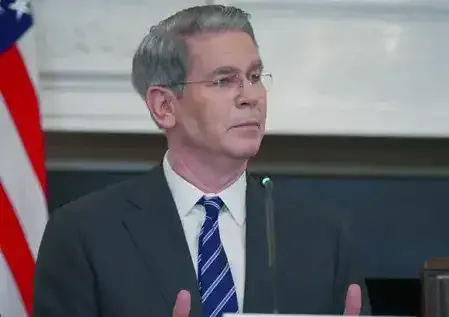
US Treasury Secretary Scott Bessent anticipates a significant drop in crude oil prices following the resolution of the ongoing conflict between the US and Iran. In an interview aired on Friday, Bessent suggested that oil prices could fall to as low as $40 per barrel, citing an expected oversupply in the market once the conflict concludes.
Currently, Brent crude is trading above $95 a barrel, with West Texas Intermediate at about $91, following recent military strikes between the US and Iran. The surge in energy prices has heightened inflation concerns, impacting global bond yields. Notably, ten-year US rates have reached their highest levels since 2023.
Bessent highlighted the unprecedented correlation between oil prices and interest rates, suggesting that a resolution to the Iran conflict could lead to a decrease in both interest rates and headline inflation. Despite the ongoing military stalemate, Bessent remains optimistic about a future decline in oil prices.
“We’re going to get on the other side of this Iran conflict, and I expect that oil will come down.”
Scott Bessent, US Treasury Secretary
In addition to oil market dynamics, Bessent addressed Norway's sovereign wealth fund's proposal to reduce its US Treasury holdings by $75 billion. He downplayed the potential impact, emphasizing that the fund's shift towards other American assets like Fannie Mae, Freddie Mac, and Ginnie Mae bonds could be beneficial.
The proposed reduction in US Treasury holdings by Norway's fund comes amid heightened concerns about investor appetite for US government debt, especially as federal debt surpasses a record $40 trillion.
“If Norway’s fund is looking to buy Fannie Mae, Freddie Mac and Ginnie Mae paper, I am the biggest advocate for that.”
Scott Bessent, US Treasury Secretary
Background
The ongoing conflict between the US and Iran has led to heightened volatility in global oil markets, with prices reaching their highest levels since July. This has exacerbated inflation concerns, influencing monetary policy and bond markets worldwide. Norway's investment strategy shift adds another layer of complexity to the financial landscape.
Looking ahead, market participants will closely monitor developments in the Iran conflict and its implications for global oil supply and inflation. The potential shifts in Norway's investment strategy also warrant attention, given their impact on US Treasury markets.