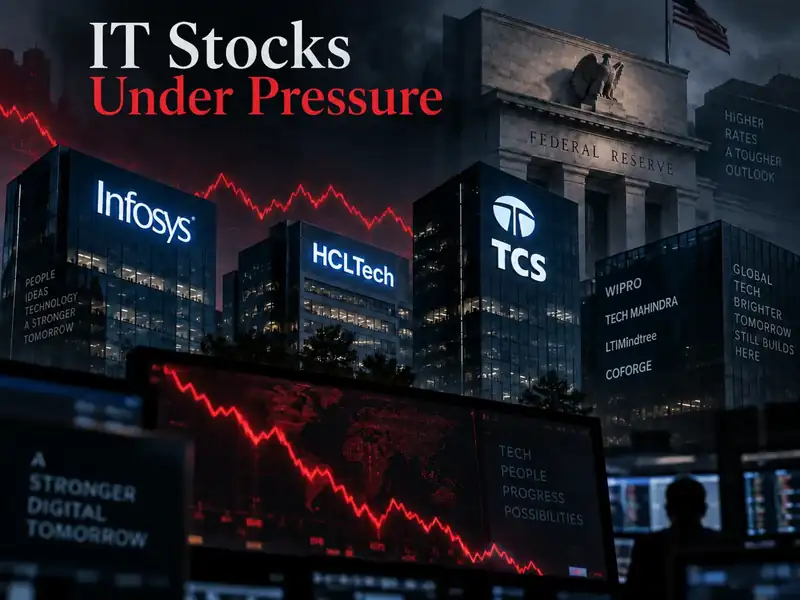
All three major U.S. stock indexes closed in negative territory on Tuesday, with financials and tech sectors dragging the market down. The small-cap Russell 2000 underperformed its larger-cap counterparts, reflecting heightened geopolitical tensions and inflation concerns.
The S&P 500 fell 54.11 points, or 0.74%, to 7,555.67, while the Nasdaq Composite dropped 230.97 points, or 0.85%, to 26,862.93. The Dow Jones Industrial Average declined 581.84 points, or 1.13%, to 50,725.95.
Despite these declines, chipmakers like Marvell, Intel, Qualcomm, and Sandisk outperformed, indicating continued investor interest in AI-related stocks. However, most of the Magnificent Seven group of AI-related megacaps saw losses, highlighting the volatility in the sector.
“The AI names are trading on their own completely separate world, largely oblivious to macro and geopolitical risk, at least within reason.”
Ross Mayfield, investment strategy analyst at Baird
The S&P Software & Services index also declined, continuing its recent trend of being battered by fears of AI disruption. Meanwhile, escalating hostilities in the Middle East, particularly between the U.S. and Iran, have intensified concerns about energy prices and inflation.
The financial markets are now pricing in more than a 40% likelihood of a rate hike at the conclusion of the U.S. Federal Reserve's December meeting, a significant increase from 9.1% a month ago. New York Fed President John Williams reiterated that the central bank does not need to change interest rates despite upside inflation risks.
“This market continues to demonstrate a tug of war between fundamentals in the U.S. economy, which are incredibly positive, and concerns that the duration of the conflict in the Middle East will lead to downside risks.”
Bill Northey, senior investment director at U.S. Bank Wealth Management
Economic data suggested a stable labor market and expanding services sector, but with elevated input prices and soft corporate spending plans due to rising energy costs and geopolitical uncertainties. The Beige Book indicated that economic activity gathered steam recently, though higher energy prices due to the war were having a pervasive impact.
Background
The U.S. stock market has been volatile recently due to geopolitical tensions and inflation concerns. The ongoing conflict in the Middle East, particularly the situation in the Strait of Hormuz, has significant implications for global energy prices and inflation.
Looking ahead, investors will closely monitor developments in the Middle East and their impact on energy prices and inflation. The potential for a Federal Reserve rate hike in December adds another layer of complexity to market dynamics.