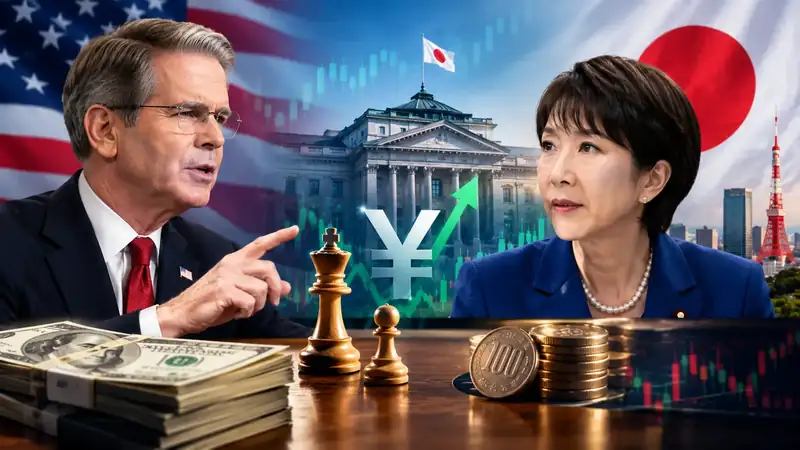
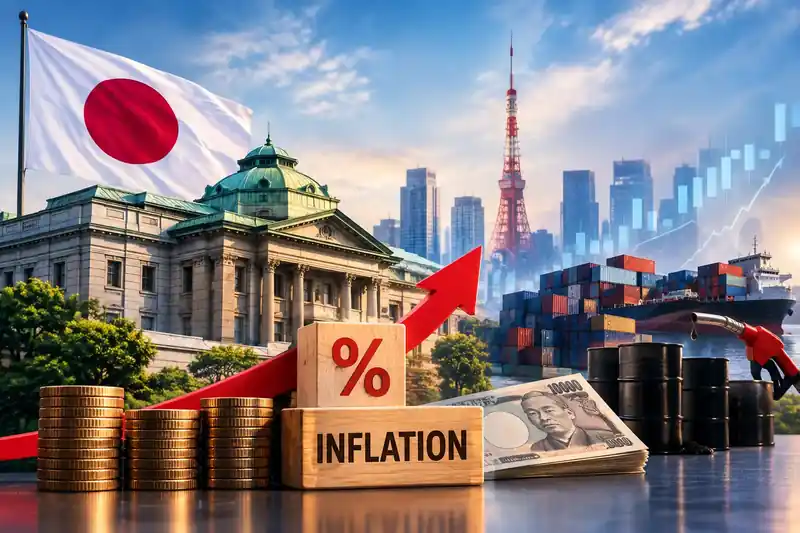
The U.S. dollar has gained significant ground as geopolitical tensions in the Middle East escalate, particularly following the recent setback in U.S.-Iran talks. This development has kept the Japanese yen under pressure, with its value hovering near 160 ahead of the Bank of Japan's upcoming policy decision. The closure of the Strait of Hormuz, a critical chokepoint for global oil shipments, has driven oil prices higher, adding to market volatility. As investors brace for potential economic fallout, attention is turning to upcoming central bank meetings, which are expected to provide crucial insights into the economic impacts of the ongoing geopolitical tensions and future rate outlooks. For Indian investors, this scenario underscores the importance of monitoring currency fluctuations and oil price movements, as these factors could have significant implications for import costs and inflation. Furthermore, the strengthening dollar could impact the rupee, influencing trade balances and foreign investment flows. As the situation unfolds, market participants are advised to remain vigilant and consider hedging strategies to mitigate risks associated with currency volatility.

economy
US Dollar Strengthens Amid Middle East Tensions
Rizz Jobs News Desk··1 min read
Market Briefing
- dollar has strengthened amid rising Middle East tensions, impacting the Japanese yen and oil prices.
- Investors await central bank insights on economic implications.
Share this story
Topics
US dollarMiddle East tensionsJapanese yenoil pricescentral bank meetings
Stay Informed
India's financial news, delivered daily.
Finance, markets, economy and startup updates — straight to your inbox.
Subscribe Free →