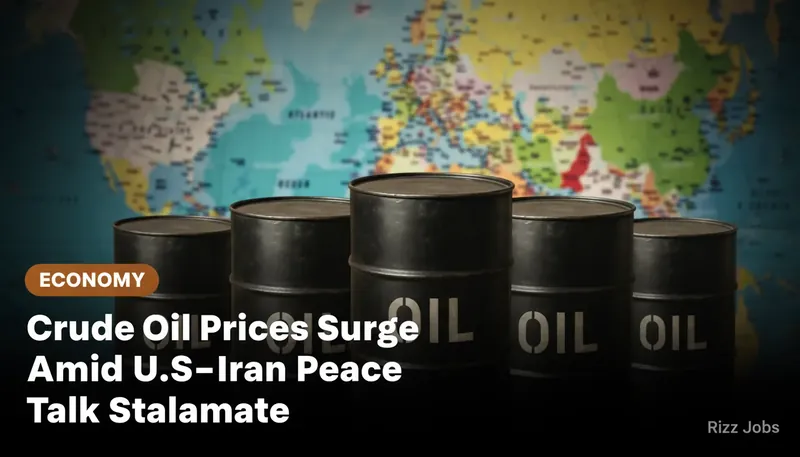
Global crude oil prices have once again captured the spotlight, as they hover near the $110 per barrel mark. This surge comes on the heels of stalled peace negotiations between the U.S. and Iran, which have raised alarms over potential disruptions in oil supply. The geopolitical tension has intensified concerns about the Strait of Hormuz, a critical chokepoint through which a significant portion of the world’s oil supply is transported. Analysts warn that any prolonged disruption could propel oil prices to as high as $150 per barrel, a scenario that would have far-reaching implications for global markets.
Goldman Sachs has already adjusted its forecasts, anticipating higher oil prices in the fourth quarter of the year. This revision underscores the precarious balance in the global oil supply chain, where even minor geopolitical shifts can have outsized impacts on pricing. For India, a major importer of crude oil, these developments are particularly concerning. Rising oil prices could exacerbate inflationary pressures, strain the fiscal deficit, and impact the broader economic recovery post-pandemic.
Indian investors and businesses should brace for potential volatility in the energy sector. Companies heavily reliant on oil imports may face increased operational costs, which could trickle down to consumers. Additionally, sectors such as aviation and transportation, which are sensitive to fuel price changes, might see a ripple effect in their financial performances.
The Indian government may need to revisit its energy policies and explore strategic reserves to cushion against such price shocks. Furthermore, this situation highlights the importance of diversifying energy sources and investing in renewable alternatives to reduce dependency on volatile global oil markets. As the situation develops, stakeholders will need to keep a close watch on geopolitical cues and market responses.