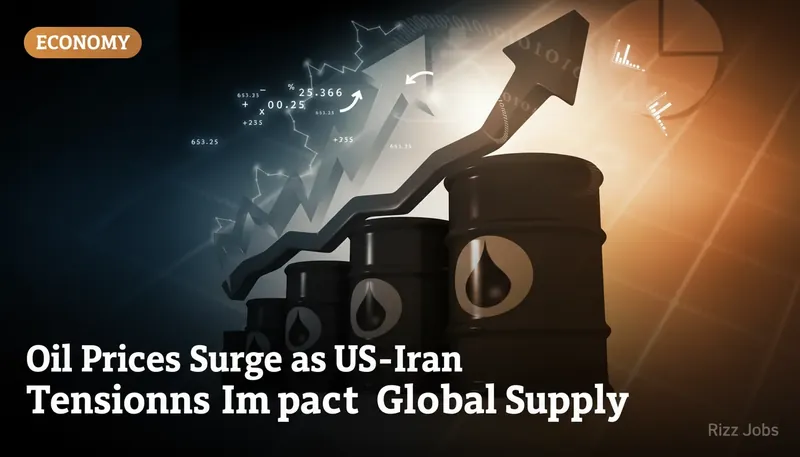
In a significant development for global energy markets, oil prices surged by nearly 3% on Monday, driven by the stalling of peace talks between the United States and Iran. The geopolitical tension has once again cast a shadow over the Strait of Hormuz, a critical chokepoint for global oil shipments. The strategic waterway, through which approximately a fifth of the world's oil passes, remains a focal point of concern for investors and policymakers alike.
The current impasse in US-Iran negotiations has heightened fears of potential disruptions in oil supply, contributing to the upward pressure on prices. The geopolitical dynamics underscore the fragility of global energy markets, where any hint of instability in the Middle East can lead to significant price fluctuations. For Indian investors and businesses, the developments are particularly pertinent given India's heavy reliance on oil imports to meet its energy needs.
The rise in oil prices could have cascading effects on the Indian economy, potentially leading to increased inflationary pressures. Higher oil prices translate to increased costs for transportation and manufacturing, which could, in turn, impact consumer prices and the broader economic landscape. Indian policymakers will need to closely monitor these developments, as sustained high oil prices could complicate efforts to maintain economic stability and growth.
Furthermore, the situation highlights the importance of diversifying energy sources and investing in renewable energy to mitigate the risks associated with geopolitical tensions. As the world grapples with the complexities of energy security, the current scenario serves as a reminder of the interconnectedness of global markets and the need for strategic foresight in energy policy.
For market participants, the volatility in oil prices presents both challenges and opportunities. Traders and investors will need to navigate the complexities of the market with caution, keeping an eye on geopolitical developments and their potential impact on supply dynamics. As the situation unfolds, the focus will remain on diplomatic efforts to resolve tensions and stabilize the region, which could ultimately influence the trajectory of global oil prices.