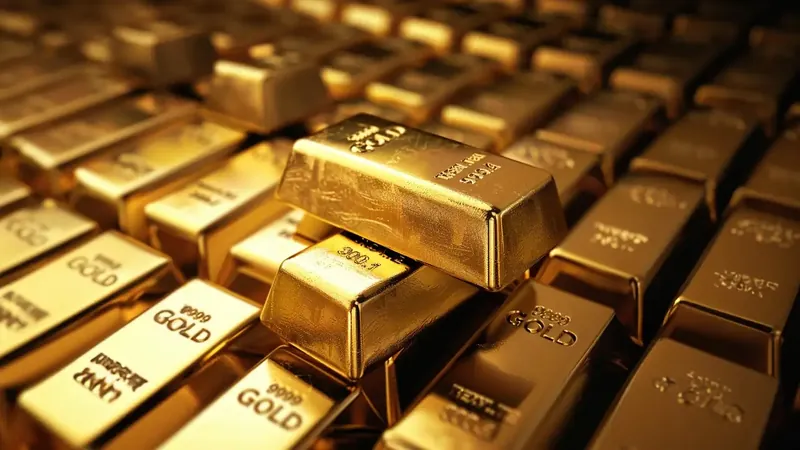
Gold prices remained steady near their highest level since early June, with spot gold at $4,512.19 per ounce as of 0031 GMT. This follows a significant jump of over 4% on Wednesday.
U.S. gold futures for December delivery also saw an increase of 0.6% to $4,569.80. The rise in gold prices is attributed to falling yields on long-dated U.S. Treasuries, driven by the Treasury Department's announcement to double liquidity support buyback operations for longer-dated notes and bonds.
Additionally, a subdued U.S. dollar has made greenback-priced metals more attractive to buyers using other currencies. Meanwhile, the U.S. Treasury Department reported that total U.S. debt has surpassed $40 trillion for the first time, raising concerns about a potential fiscal crisis due to rising costs for social safety-net programs and interest payments.
The Federal Reserve's recent meeting minutes revealed deepening concerns about inflation, with several policymakers considering interest rate hikes if inflation does not fall to the 2% target. Traders are currently pricing in a 67.3% chance that the Fed will keep rates unchanged in September.
In other metals, spot silver gained 0.2% to $67.06 per ounce, platinum fell 0.4% to $1,816.78, and palladium rose 0.3% to $1,339.05. Gold is traditionally seen as a safe investment during times of economic and geopolitical uncertainty, although higher interest rates can diminish its appeal as it yields no interest.
Background
Gold's appeal as a safe-haven asset often increases during periods of economic uncertainty and geopolitical tensions. The current economic environment, marked by high inflation and significant fiscal challenges in the U.S., underscores the metal's enduring value to investors seeking stability.
Looking ahead, market participants will closely watch the Federal Reserve's next moves on interest rates, as well as any further developments in U.S. fiscal policy, which could impact gold prices and broader market dynamics.