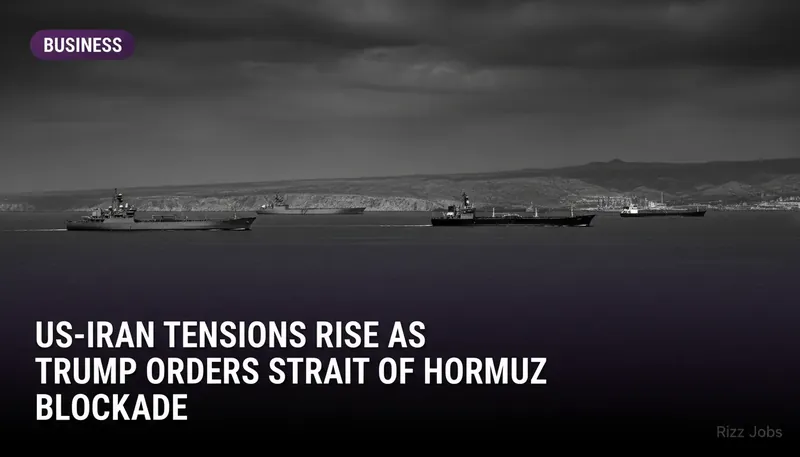
In a dramatic escalation of geopolitical tensions, former U.S. President Donald Trump has instructed the U.S. Navy to enforce a blockade of the strategically critical Strait of Hormuz. This decision comes in the wake of failed diplomatic negotiations with Iran, held in Pakistan, over the latter's nuclear ambitions. The Strait of Hormuz is a vital maritime chokepoint through which approximately 20% of the world's petroleum passes, making it a linchpin in global energy supply chains. Trump's declaration that U.S. forces are 'locked and loaded' to dismantle Iranian mines signals a potential flashpoint that could disrupt international oil markets and exacerbate global economic uncertainties.
For Indian investors and businesses, this development could have significant implications. India, which imports a substantial portion of its oil from the Middle East, might face increased energy costs, impacting everything from manufacturing to transportation. The ripple effects could extend to inflationary pressures, affecting the Reserve Bank of India's monetary policy decisions. Furthermore, Indian companies with exposure to the region may need to reassess their risk management strategies and supply chain contingencies.
While the immediate impact on Indian markets may be limited, the broader economic implications could be profound if tensions escalate into a military conflict. Investors should keep a close eye on oil price movements and be prepared for potential volatility in the energy sector. Additionally, this geopolitical tension underscores the importance of diversifying energy sources and strengthening strategic reserves to mitigate external shocks. As the situation unfolds, policymakers and business leaders will need to navigate these challenges with agility and foresight.


