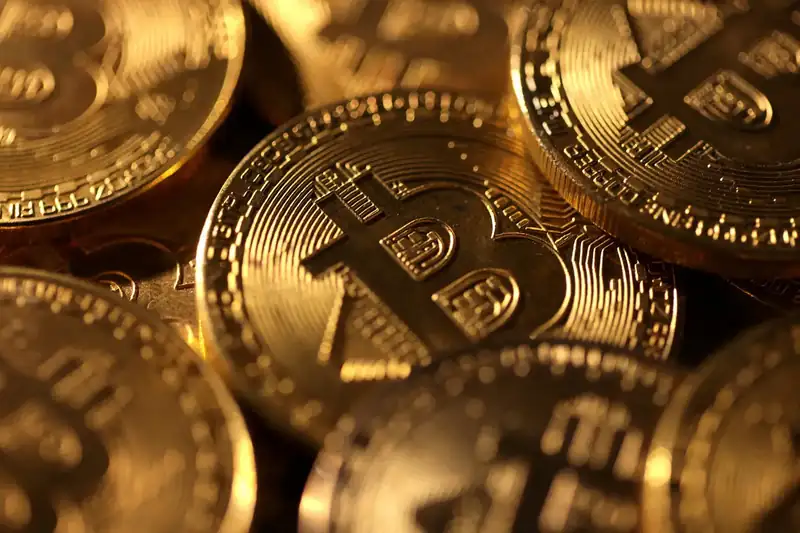
As Bitcoin faces a 50% slump since October, the demand for digital versions of real-world assets is quietly gaining momentum. These tokenised assets allow investors to manage their investments directly via crypto wallets, enabling peer-to-peer trading and collateral use, thus opening new avenues for higher returns.
The flexibility of tokenised assets allows investors to hold diverse assets like bonds, index funds, and gold in a single wallet, using them as collateral or trading them instantly. Citigroup Inc. projects the tokenised asset market to reach $2.7 trillion to $8.2 trillion by 2030, driven by younger investors and public-market securities.
Traditional financial systems face challenges due to structural costs and time delays. In contrast, tokenisation offers instantaneous settlement and eliminates the need for middlemen in transactions, significantly reducing costs. This shift is exemplified by the partnership between Mirae Asset Global Investments and Ondo Finance, which aims to bring ETFs onto the blockchain.
Sovereign bonds, such as Japanese government bonds, are also being tokenised to maintain their status as top-tier collateral. This move allows global trading desks to meet margin requirements efficiently, even outside traditional market hours.
The tokenisation industry is evolving, with projects like Mirae-Ondo focusing on tokens that can be traded outside the issuing platform. This approach enables assets to be used in leveraged trades, enhancing their utility and appeal.
Background
The rise of tokenisation is a response to the inefficiencies of traditional financial systems, which are burdened by structural costs and time delays. As investors seek more flexible and efficient ways to manage their portfolios, the tokenisation of assets offers a promising alternative.
The future of finance may lie in tokenised assets rather than cryptocurrencies like Bitcoin. As the industry matures, it must deliver robust financial products to truly scale and replace traditional intermediaries.