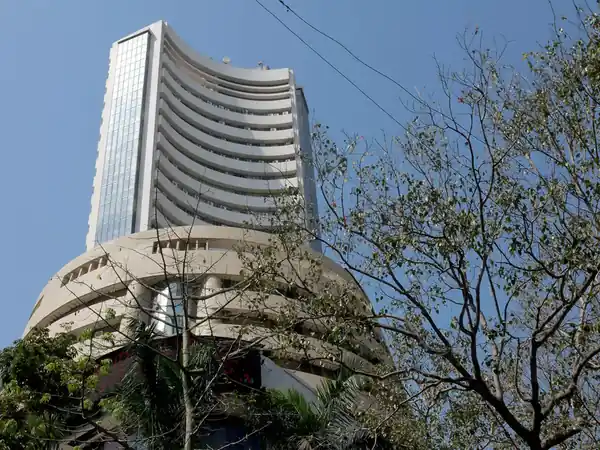
Sensex rose over 200 points to 77,388 while Nifty 50 gained around 64 points to 24,142 during Thursday's trading session, as India VIX, the volatility index, dropped 3.5% to 13.27. This positive movement comes despite escalating geopolitical tensions in the Middle East.
IT stocks, including HCL Tech, Infosys, Tech Mahindra, and TCS, led the gains on Sensex, rising between 1-3%. Other notable gainers included Trent, Maruti Suzuki, M&M, and Titan, each increasing nearly 1%. Conversely, Axis Bank, Bajaj Finserv, SBI, and HDFC Bank saw marginal declines. Broader markets also traded positively, with Nifty Midcap 100 and Nifty Smallcap 100 indices gaining up to 0.5%.
Sectorally, Nifty IT led the gains, rising nearly 2% during morning trading hours. In contrast, Nifty Financial Services and Nifty PSU Bank slipped into the red. The overall market breadth was positive, with the NSE recording 1,662 advances against 749 declines, while 112 stocks remained unchanged.
“While the softer dollar offered temporary support, higher energy prices remain a key concern for India’s import bill and the rupee’s outlook.”
Jateen Trivedi, VP Research Analyst of Commodity and Currency at LKP Securities
Geopolitical tensions have been heightened by the Iran-US conflict, impacting the Strait of Hormuz, a critical waterway for global oil and gas supply. Despite fewer vessels crossing the Strait, oil prices remained muted, with Brent crude futures falling below $85 per barrel and WTI Crude futures trading below $80 per barrel.
The rupee opened at 96.2475 against the US dollar, nearly unchanged from the previous closing level of 96.2550. Jateen Trivedi, VP Research Analyst of Commodity and Currency at LKP Securities, noted that while a softer dollar offered temporary support, higher energy prices remain a concern for India's import bill.
“Financials-both banks and NBFCs- are likely to report good set of numbers aided by robust credit growth now running at 18%.”
VK Vijayakumar, Chief Investment Strategist at Geojit Investments
Background
Geopolitical tensions in the Middle East, particularly the Iran-US conflict, have historically impacted global markets due to the region's significance in oil supply. The Strait of Hormuz is a critical chokepoint, and any disruptions can lead to volatility in oil prices and global markets.
Looking ahead, the Indian stock market is expected to trade within a narrow band with a positive bias, influenced by upcoming corporate earnings and global market conditions. Investors will be closely monitoring foreign fund flows, crude oil movements, and US economic data for further direction.