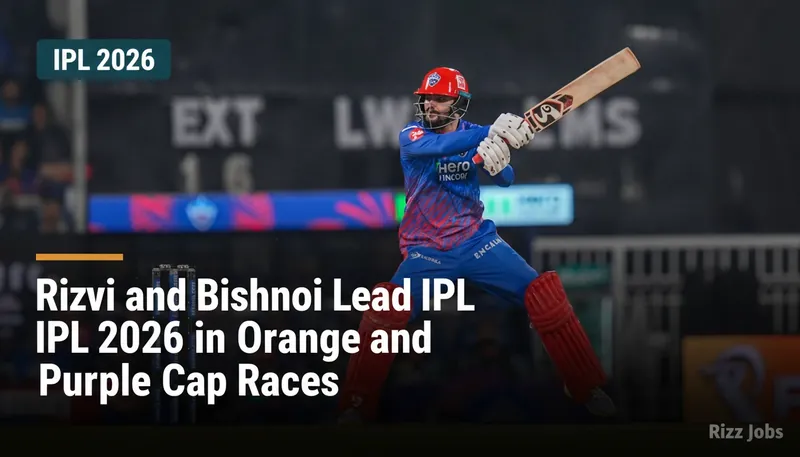
As the Indian Premier League (IPL) 2026 unfolds, cricket enthusiasts are eagerly following the battle for the prestigious Orange and Purple Caps. After the first 11 games of the group stage, Rizvi has emerged as the frontrunner in the Orange Cap race, showcasing his exceptional batting prowess. His consistent performance has not only elevated his team's prospects but also caught the attention of cricket analysts and investors alike, who are keenly observing the impact of player performances on brand endorsements and team valuations.
On the bowling front, Bishnoi leads the Purple Cap table, demonstrating remarkable skill and precision. His ability to take crucial wickets has been pivotal in his team's strategy, making him a valuable asset in the tournament. The IPL, known for its blend of sports and business, continues to be a significant platform for players to enhance their market value and for franchises to bolster their brand equity.
The performances of Rizvi and Bishnoi are not just about personal accolades; they reflect broader trends in the IPL's commercial landscape. As players excel, their marketability increases, leading to lucrative sponsorship deals and higher visibility. For investors, the IPL offers insights into the potential growth trajectories of teams and players, influencing decisions in sports-related investments.
The IPL's economic impact extends beyond the cricket field, affecting merchandise sales, media rights, and advertising revenues. As the tournament progresses, stakeholders will be closely monitoring how individual performances translate into financial gains. The Orange and Purple Cap races, therefore, are not just about cricketing glory but also about the intricate interplay of sports and business in one of the world's most lucrative cricket leagues.