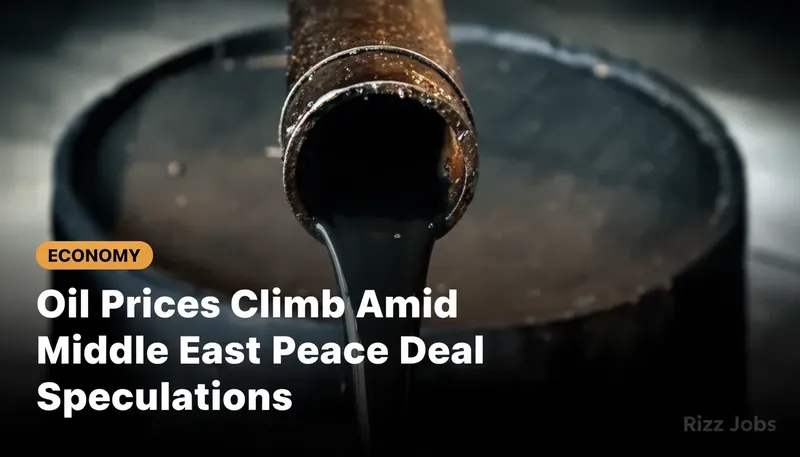
Oil prices experienced a notable uptick on Thursday, climbing approximately $1, as investors keenly monitor the potential for a peace agreement in the Middle East. This region, a pivotal player in the global oil market, holds significant sway over supply dynamics. The anticipation of a peace deal has injected a fresh wave of optimism among investors, although the complexities of resuming full-scale oil shipments remain a concern. Even with a potential agreement, the logistical challenges involved in ramping up production and transportation may keep supplies constrained for a while.
In the United States, crude and fuel inventories continue to dwindle, adding to the upward pressure on prices. This decline is exacerbated by the peak summer demand, a period traditionally marked by increased travel and energy consumption. The combined effect of these factors suggests that the oil market may remain tight in the near term, with prices potentially seeing further fluctuations based on geopolitical developments.
For Indian investors and businesses, the ripple effects of these developments are significant. India, heavily reliant on oil imports, could face increased costs, impacting sectors ranging from transportation to manufacturing. Companies may need to reassess their cost structures and explore hedging strategies to mitigate potential price volatility. Additionally, the broader economic implications, such as inflationary pressures, could influence monetary policy decisions by the Reserve Bank of India.
As the situation unfolds, stakeholders are advised to stay informed and agile, ready to adapt to the evolving market landscape. The interplay between geopolitical events and market dynamics underscores the importance of strategic planning and risk management in navigating the complexities of the global oil market.