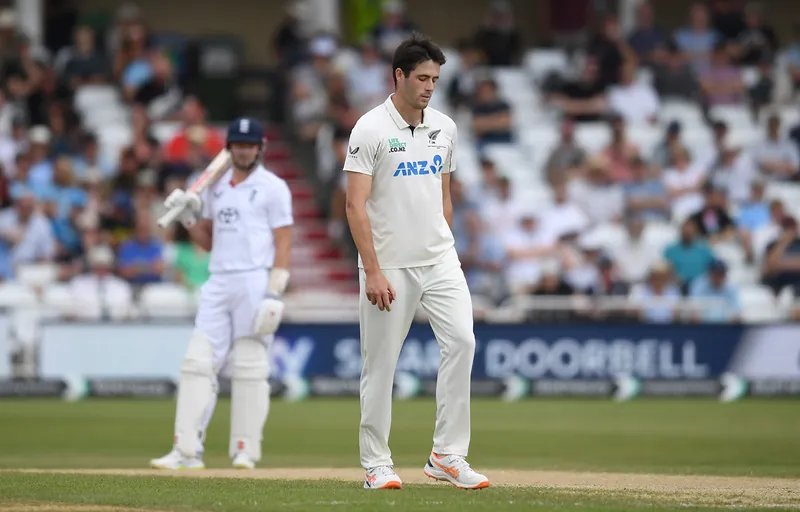
Head selector Gavin Larsen has highlighted the pressing issue of workload management for New Zealand's pace bowlers as they prepare for a demanding Test summer against India and Australia. With the cricketing calendar packed, ensuring the fitness and performance of key players is paramount.
New Zealand's cricket team is gearing up for a challenging Test series with heavyweights India and Australia on the horizon. The management of their pace bowling resources is crucial, given the intense schedule and the physical demands of Test cricket. Gavin Larsen, the head selector, has emphasized the need for strategic planning to maintain the health and effectiveness of the bowlers.
Larsen pointed out that New Zealand's pace attack is among the best in the world, but the risk of injuries looms large if not managed properly. The selectors and coaching staff are tasked with balancing player workloads to avoid burnout and ensure peak performance during critical matches.
“Our pace attack is one of the best in the world, but we must manage their workloads carefully.”
Gavin Larsen, Head Selector
The upcoming series against India and Australia is seen as a significant test for New Zealand, both in terms of skill and endurance. The team's success will heavily rely on the availability and form of their fast bowlers, making workload management a top priority.
The New Zealand cricket board is likely to employ rotation policies and rest periods to keep the bowlers fresh. This strategy aims to mitigate the risk of injuries and maintain a competitive edge against their formidable opponents.
Background
In recent years, player workload management has become a crucial aspect of international cricket, with teams striving to keep their players fit and ready for high-stakes matches. New Zealand's approach will be closely watched as they navigate their Test commitments.
As New Zealand prepares for the upcoming Test series, the focus will be on how effectively they can manage their pace bowling resources. The outcome of these matches could hinge on the selectors' ability to balance player workloads, ensuring that the team remains competitive against top-tier opposition.