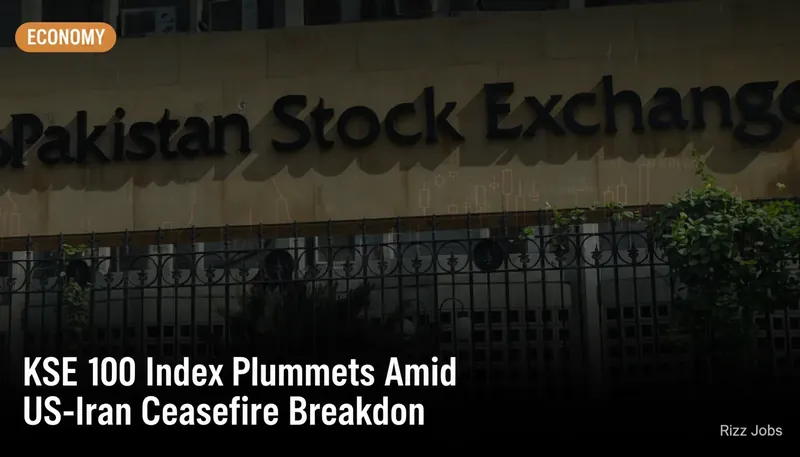
In a dramatic turn of events, Pakistan's stock markets witnessed a significant downturn on Monday as the KSE 100 index plummeted by nearly 6,000 points. This steep decline followed the collapse of ceasefire negotiations between the United States and Iran, which were being mediated by Pakistan's Prime Minister Shehbaz Sharif and army chief Asim Munir. The failure of these talks has not only heightened geopolitical tensions but also sent ripples across the financial markets, leaving investors in a state of uncertainty.
The KSE 100 index, a barometer of investor sentiment in Pakistan, reflects the broader economic and political instability in the region. The breakdown of talks has raised concerns about potential escalations in conflict, which could disrupt trade routes and impact global oil prices. For Indian investors and businesses, this development serves as a stark reminder of the interconnectedness of regional geopolitics and market dynamics.
The immediate impact of the market crash is evident in the loss of investor confidence, with many seeking safer investment avenues amidst the turmoil. Analysts suggest that the volatility may persist until a diplomatic resolution is achieved. The situation underscores the need for Indian investors to closely monitor geopolitical developments in neighboring countries, as these can have far-reaching implications for trade and investment strategies.
Furthermore, the market's reaction highlights the vulnerability of emerging economies to external shocks, particularly those stemming from political unrest. As the global economy grapples with inflationary pressures and supply chain disruptions, the added layer of geopolitical risk could exacerbate existing challenges. Indian businesses with exposure to the region may need to reassess their risk management strategies to mitigate potential impacts.
In conclusion, while the immediate fallout of the KSE 100's plunge is being felt in Pakistan, the reverberations are likely to be felt across the region. It is crucial for stakeholders to remain vigilant and adaptable to navigate the complexities of the current geopolitical landscape.