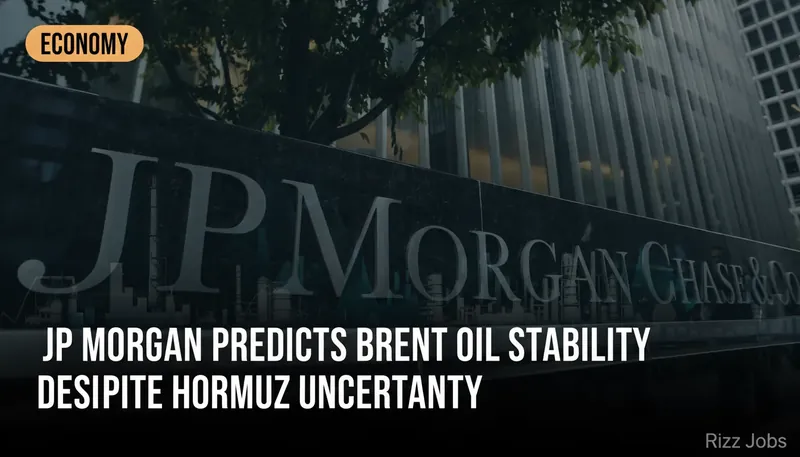
In a recent analysis, JP Morgan has projected that Brent crude oil prices are likely to remain in the low $100s, even in the event of the reopening of the Strait of Hormuz by June. This forecast is based on the bank's revised framework, which anticipates that the current pace of oil inventory depletion will necessitate the reopening of this critical passage. The Strait of Hormuz, a strategic chokepoint through which a significant portion of the world's oil supply passes, has been a focal point of geopolitical tensions, affecting global oil markets. JP Morgan's base case scenario expects a credible announcement confirming the reopening by both involved parties, thus providing a semblance of stability to the oil markets.
For Indian investors and businesses, this projection holds significant implications. India, being one of the largest importers of crude oil, is directly impacted by fluctuations in global oil prices. Stable Brent prices in the low $100s range could help maintain manageable import costs, thereby supporting the country's trade balance and inflation targets. Moreover, the stability in oil prices could provide a conducive environment for the Reserve Bank of India to sustain its monetary policy stance without the added pressure of oil-driven inflation.
However, the geopolitical uncertainties surrounding the Strait of Hormuz remain a critical factor. Any delay or disruption in the reopening could lead to volatility in oil prices, affecting not only global markets but also India's economic stability. Indian businesses, particularly those in the oil and gas sector, must remain vigilant and prepared for potential shifts in the market dynamics. Additionally, investors should closely monitor developments in the region, as any significant changes could present both risks and opportunities in the commodity trading space.
Overall, JP Morgan's analysis provides a cautiously optimistic outlook for the oil markets, with the potential reopening of the Strait of Hormuz serving as a pivotal factor in shaping future price trends.