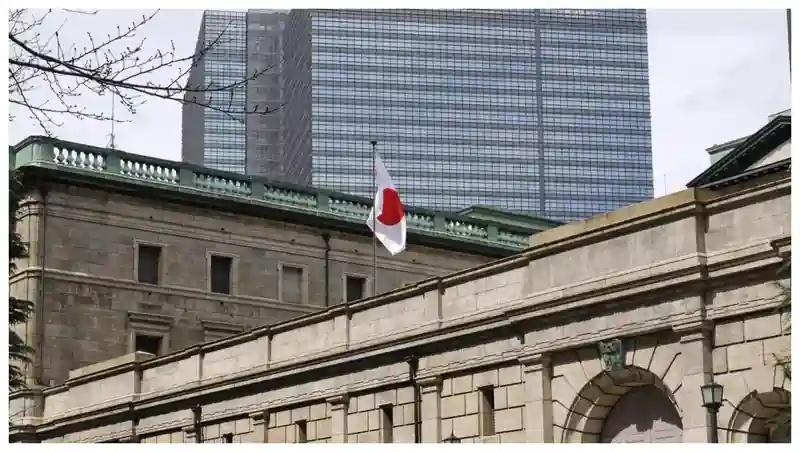
Japan has revised its economic blueprint to reaffirm the independence of the Bank of Japan (BOJ) in conducting monetary policy, following market concerns over potential government influence. The final version of the document, expected to receive cabinet approval on Tuesday, includes a footnote referencing a legal provision that protects the central bank's autonomy.
The initial draft of the blueprint had raised alarms in financial markets by suggesting that the BOJ should align its actions with the government's economic policy, without acknowledging the legal clause safeguarding the bank's policy-making independence. This omission led to a selloff in the yen and Japanese government bonds, as investors feared government interference could delay interest rate hikes.
The revised document aims to address these concerns by emphasizing the importance of an independent monetary policy framework while maintaining the legal requirement for coordination between the government and the central bank. According to Reuters, the blueprint also highlights the necessity of appropriate monetary policy for achieving a robust economy and stable price growth.
Additionally, the economic blueprint outlines that the Japanese government will decide by early August whether to reduce the 8% consumption tax on food, as previously reported by Kyodo News. The government has not yet commented on the document's contents.
Japan's legal framework grants the BOJ operational independence in setting monetary policy, while requiring close coordination with the government's broader economic objectives. Prime Minister Sanae Takaichi's administration has urged the central bank to exercise caution before implementing further interest rate hikes, citing economic support needs.
Background
Japan's economic policy has been under scrutiny as the government and the BOJ navigate the delicate balance between supporting economic growth and managing inflation. The BOJ's independence is crucial for maintaining market confidence and ensuring effective monetary policy.
The revised economic blueprint is a significant step in reinforcing the BOJ's independence while ensuring necessary policy coordination with the government. Market participants will closely watch the cabinet's approval and any subsequent policy decisions, particularly regarding interest rates and consumption tax adjustments.