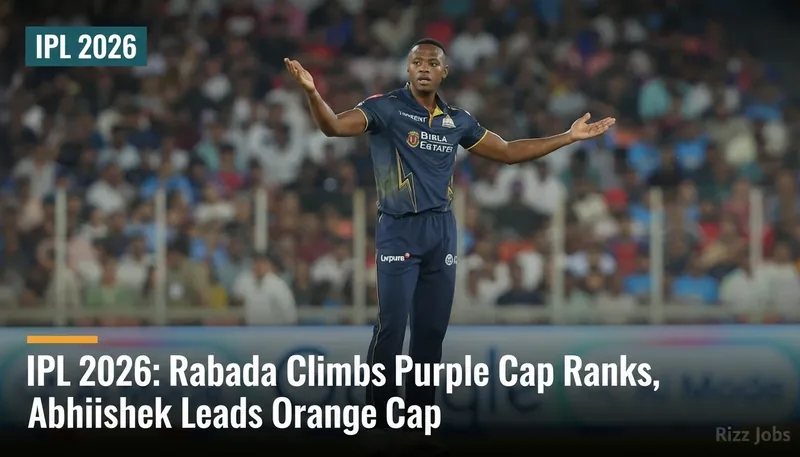
In the latest developments from the Indian Premier League (IPL) 2026, Kagiso Rabada has ascended to the third position on the Purple Cap leaderboard, showcasing his formidable bowling prowess. Rabada's consistent performance has been a key factor for his team, as he continues to challenge the league's top wicket-takers. Meanwhile, Abhishek Sharma has reclaimed the Orange Cap, highlighting his exceptional batting skills amid a series of low-scoring games that unfolded this Sunday. These matches, marked by their unexpectedly low totals, have stirred conversations among cricket analysts and fans alike, as they deviate from the high-scoring expectations typically associated with IPL matches.
The IPL, a significant event in India's sporting calendar, not only captivates cricket enthusiasts but also impacts various business sectors, including advertising, broadcasting, and merchandise sales. The performances of players like Rabada and Abhishek can influence team strategies and fan engagement, potentially affecting sponsorship deals and viewership ratings. For investors and stakeholders in the sports and entertainment industries, these developments offer insights into the evolving dynamics of the league.
As the tournament progresses, the competition for the Purple and Orange Caps intensifies, with players vying for individual glory alongside their teams' aspirations for the championship. This dual pursuit of personal and team success adds layers of intrigue and excitement to the IPL narrative, making it a focal point for both sports enthusiasts and business analysts. The IPL's ability to blend sports with business opportunities continues to make it a lucrative venture, drawing attention from a global audience. As the season unfolds, stakeholders will keenly observe how player performances and match outcomes influence the broader economic landscape of the IPL.