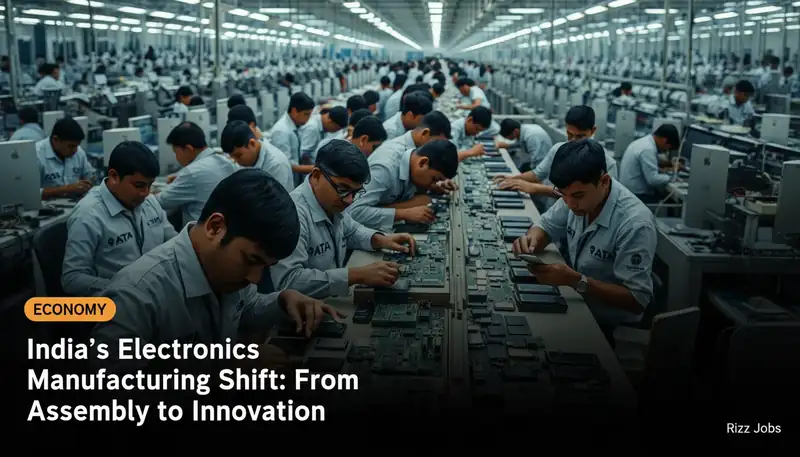
India is making significant strides in transforming its electronics sector from a mere assembly hub to a robust manufacturing powerhouse. This shift is largely driven by the Electronics Components Manufacturing Scheme (ECMS), which aims to boost domestic production of critical components. The scheme is attracting substantial investments and setting ambitious localisation targets, which are crucial for reducing dependency on imports and enhancing the country's self-reliance in electronics manufacturing.
One of the key areas of focus is the production of rare earth magnets, essential components in a variety of high-tech applications, from smartphones to electric vehicles. By developing a domestic supply chain for these critical inputs, India aims to secure its position in the global electronics market. The government's strategic initiatives are also expected to create a ripple effect, encouraging more companies to invest in local manufacturing capabilities.
However, the transition from assembly to full-scale manufacturing is not without challenges. The sector faces significant risks in execution and capacity ramp-up. For instance, building the necessary infrastructure and skilled workforce to support this growth will require concerted efforts from both the government and private sectors. Additionally, the global supply chain disruptions and geopolitical tensions could pose further hurdles.
Despite these challenges, the long-term opportunities for investors are promising. As India strengthens its electronics backbone, the sector is poised to become a major contributor to the country's GDP, offering lucrative investment avenues. For business leaders and investors, understanding the dynamics of this transformation is crucial for capitalising on the emerging opportunities in India's electronics industry.