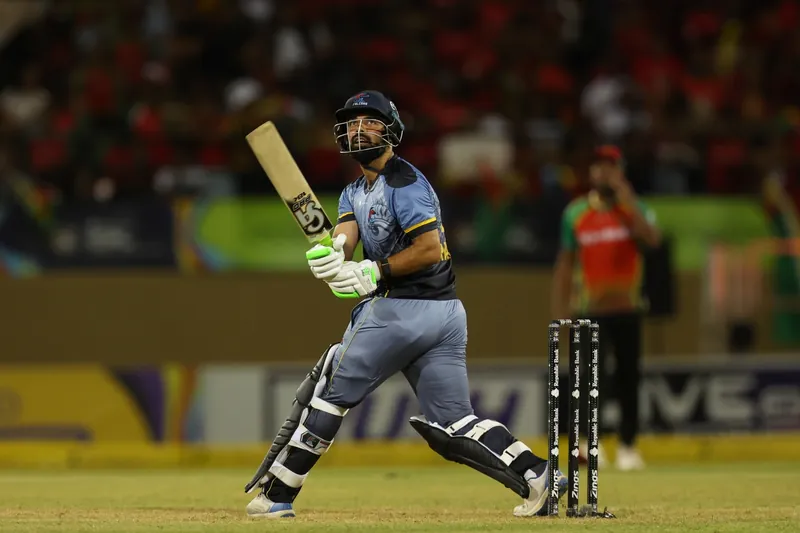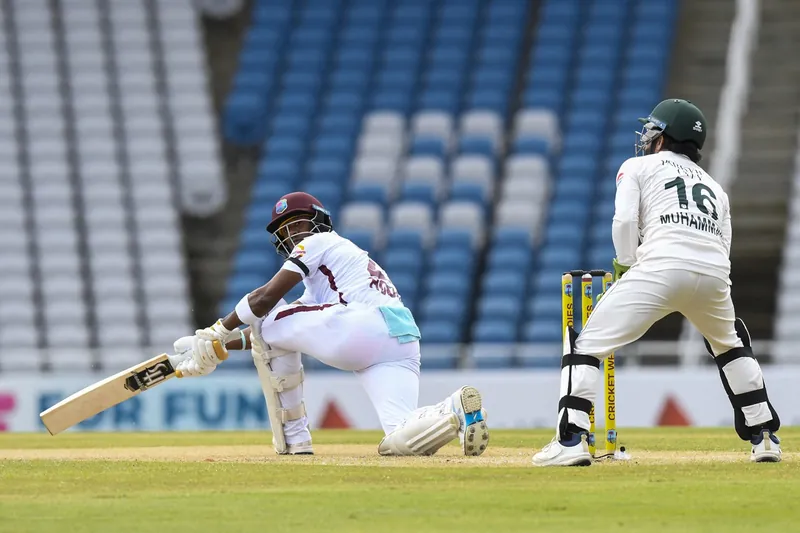
West Indies made significant progress on the first day of the match, led by Hodge, despite the session being cut short due to rain.
The first session of the day was heavily impacted by rain, leading to a curtailed play. Despite the weather disruptions, West Indies capitalized on the limited play time to establish a strong position. Hodge played a pivotal role in their advancement, showcasing skill and resilience.
The rain interruptions meant that the teams had to adapt quickly to the changing conditions. West Indies managed to maintain their focus and strategy, allowing them to take control of the game. The team's ability to adjust to the weather challenges was crucial in their progress.
Hodge's performance was instrumental in West Indies' success on the first day. His leadership on the field and ability to navigate the tricky conditions were key factors in the team's performance. The day ended with West Indies in a favorable position, setting the stage for the following sessions.
Looking back, West Indies have often faced challenges with weather conditions in past matches. Their experience in dealing with such situations has helped them develop strategies to mitigate the impact of rain on their gameplay. This historical context underscores the importance of adaptability in cricket.
Background
West Indies have a history of dealing with challenging weather conditions in cricket matches, which has helped them develop effective strategies to adapt and perform under such circumstances.
As the match progresses, the focus will be on how West Indies build on their strong start. The weather remains a variable factor, and both teams will need to remain vigilant. Observers will be keen to see if West Indies can maintain their momentum and secure a decisive lead.