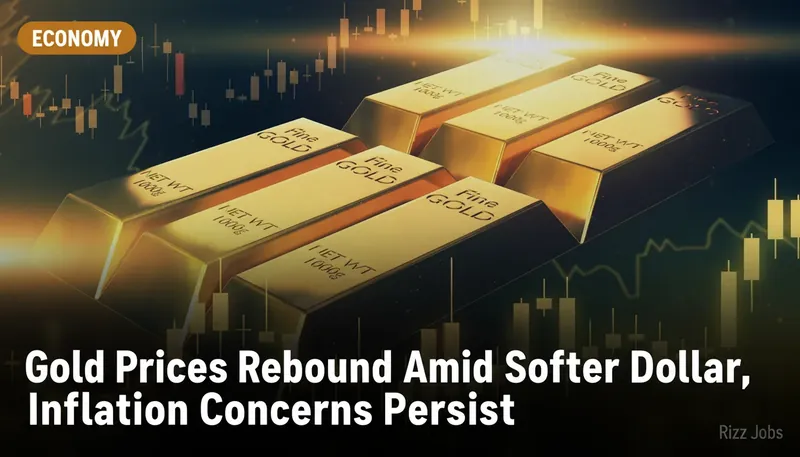
In a notable shift, gold prices have rebounded from a one-month low, driven by a weakening U.S. dollar. This development comes as a relief to investors who have been closely monitoring the precious metal's performance amid global economic uncertainties. The softer dollar has made gold more attractive to holders of other currencies, thus boosting demand. However, the backdrop of elevated oil prices continues to stoke inflation fears, which could lead to prolonged periods of higher interest rates globally.
The first quarter of 2026 witnessed a 2% year-on-year increase in global gold demand, largely fueled by robust purchases of bars and coins, as well as significant buying by central banks. This trend underscores the metal's enduring appeal as a hedge against inflation and currency fluctuations. For Indian investors, who traditionally have a strong affinity for gold, this rebound offers a renewed opportunity to diversify portfolios amidst volatile market conditions.
The interplay between gold prices and the U.S. dollar is a critical factor for Indian markets, as it influences both import costs and consumer demand. With the Indian rupee also experiencing fluctuations, the dynamics of gold pricing become even more pertinent. Investors are advised to keep a close eye on the Federal Reserve's policy decisions, as any indication of interest rate hikes could impact gold's trajectory.
As the global economy grapples with inflationary pressures and potential monetary tightening, gold's role as a safe haven asset is likely to remain pivotal. Indian investors, in particular, should consider the broader economic indicators and geopolitical developments that could affect gold prices in the near to medium term.