In a rapidly evolving geopolitical landscape, the potential for conflict in Iran poses significant challenges to global financial stability. The Chief Investment Officer of Pimco has raised concerns that escalating tensions could disrupt oil supplies, leading to a spike in energy prices. This scenario presents a complex dilemma for the US Federal Reserve, which may find itself compelled to reconsider its monetary policy trajectory. Traditionally, the Fed has been on a path towards normalizing interest rates, with a focus on curbing inflation and supporting economic growth. However, the specter of rising oil prices could force the Fed to delay anticipated interest-rate cuts, or even contemplate rate hikes, to counteract inflationary pressures. Such a move could have far-reaching implications for global markets, including India, where investors are closely monitoring the Fed's actions. A more hawkish stance by the Fed could lead to increased volatility in financial markets, affecting everything from currency exchange rates to stock valuations. Indian investors, particularly those with exposure to US markets, should brace for potential shifts in asset prices and consider strategies to mitigate risk. Additionally, higher energy prices could exacerbate inflationary pressures domestically, prompting the Reserve Bank of India to reassess its own policy stance. As the situation unfolds, it is crucial for market participants to stay informed and agile, ready to adapt to a rapidly changing economic environment.
economy
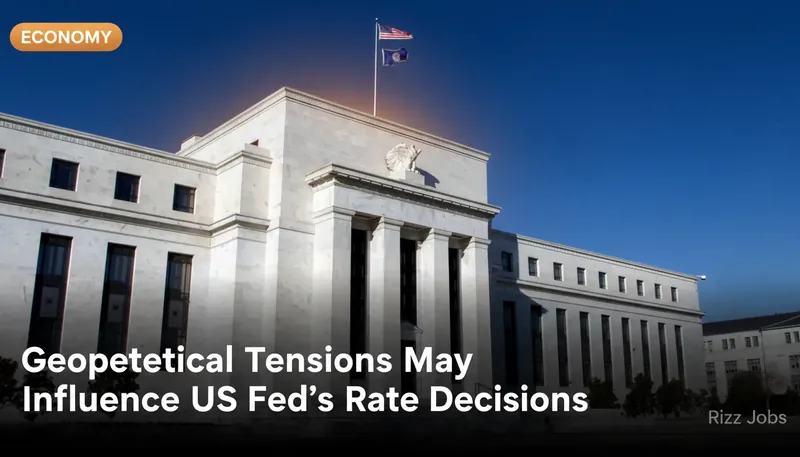
Geopolitical Tensions May Influence US Fed's Rate Decisions
Rizz Jobs News Desk··2 min read
Market Briefing
- Geopolitical tensions in Iran could disrupt oil supplies, prompting the US Fed to reconsider its monetary policy.
- This may lead to increased market volatility.
Share this story
Topics
US Federal ReserveIran conflictoil pricesinterest ratesglobal markets
Stay Informed
India's financial news, delivered daily.
Finance, markets, economy and startup updates — straight to your inbox.
Subscribe Free →