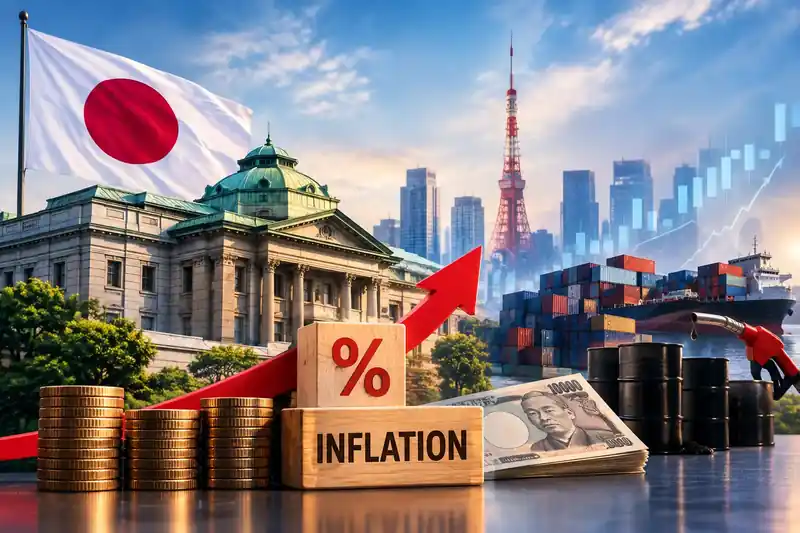
The Indian stock market is currently navigating turbulent waters, as foreign institutional investors (FIIs) remain wary amid escalating global inflation concerns. This cautious stance by FIIs has led to a volatile market environment, with domestic investors stepping in selectively to fill the gap. Sunil Subramaniam, a seasoned market expert, highlights the ongoing tug of war between these investor groups, which has left markets on tenterhooks.
Foreign investors, who have historically played a significant role in driving Indian market trends, are now pulling back due to uncertainties in the global economic landscape. Inflationary pressures, coupled with geopolitical tensions, have made FIIs more risk-averse, leading to a sell-off that has kept market sentiments jittery.
In contrast, domestic investors are showing resilience, albeit with a cautious approach. They are focusing on sectors with strong growth potential, notably infrastructure. This sector is emerging as a robust medium-term investment theme, bolstered by substantial government spending and private sector participation. The Indian government's commitment to infrastructure development, through initiatives like the National Infrastructure Pipeline, is expected to drive significant economic growth and offer lucrative opportunities for investors.
Recent political victories in India have provided a semblance of policy continuity, which is generally positive for market stability. However, these wins are not expected to be immediate catalysts for market movements. Instead, the focus remains on macroeconomic indicators and sector-specific growth stories.
For investors, the current market scenario underscores the importance of a diversified portfolio. While the infrastructure sector offers promising returns, the broader market remains susceptible to global economic shifts. As such, a balanced investment strategy that weighs both domestic growth stories and international market trends is advisable.