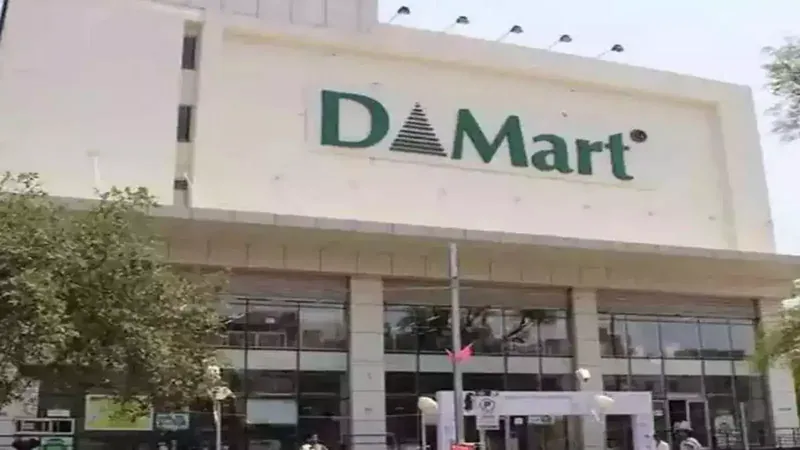
DMart has announced a strategic shift in its e-commerce operations, closing its DMart Ready services in seven cities to focus on larger metropolitan areas. This move comes as competition in the rapid delivery sector heats up, with major players like Amazon and Flipkart investing heavily.
The closures leave DMart operating its online delivery business in 11 cities, as confirmed by Vikram Dasu, CEO of DMart Ready. The company reported a first-quarter net income of 9.3 billion rupees, falling short of estimates, with revenue at 183.43 billion rupees. Despite flat growth in its older supermarket stores in large metros, non-metro areas continue to perform well, according to CEO Anshul Asawa.
DMart has chosen not to enter the 10-minute delivery segment, opting instead for a few-hour delivery model through its DMart Ready platform. Known for its big box format and competitive pricing, DMart opened three new stores in the quarter, bringing its total to 503.
“During the quarter, we have discontinued our operations in seven cities which were marginal contributors.”
Vikram Dasu, CEO of DMart Ready
Macquarie analysts Aditya Suresh and Baiju Joshi noted the rising competitive intensity in the sector, expecting it to persist for years. DMart's strategic adjustments reflect its response to this challenging environment.
The rapid delivery market has seen significant investment and competition, with companies like Eternal, Zepto, and Swiggy dominating the space. DMart's decision to focus on metropolitan areas could help it better compete with these established players.
“We see rising and persistent competitive intensity for years, not quarters, from multiple dimensions.”
Macquarie analysts Aditya Suresh and Baiju Joshi
Background
The rapid delivery market has been evolving rapidly, with significant investments from major players like Amazon and Flipkart. This sector has been dominated by companies such as Eternal, Zepto, and Swiggy, making it a highly competitive landscape.
Looking ahead, DMart's focus on metropolitan areas and its decision to avoid the ultra-fast delivery segment could position it uniquely in the market. Observers will be keen to see how this strategy impacts its financial performance in the coming quarters.


