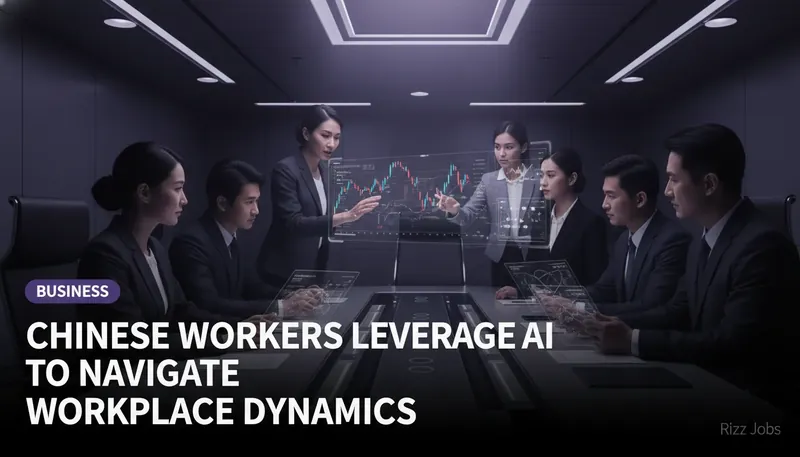
In an evolving corporate landscape, Chinese white-collar professionals are increasingly turning to artificial intelligence as a tool to gain a competitive edge in their work environments. The integration of AI into the workplace is not just transforming operational efficiencies but is also reshaping interpersonal dynamics among employees. As AI becomes more prevalent, there is a growing concern about its implications on job security and workplace relationships. In China, where the pressure to excel in a highly competitive job market is intense, employees are using AI to enhance productivity, automate routine tasks, and even monitor peers. This trend is creating a new form of workplace rivalry, where the mastery of AI tools can determine career advancement.
The adoption of AI in Chinese offices is indicative of a broader global trend where technology is redefining traditional job roles. For Indian investors and businesses, this development offers insights into potential shifts in labor markets and the future of work. Companies that can harness AI effectively stand to gain a significant competitive advantage, while those that lag may face challenges in retaining talent and maintaining productivity.
Moreover, the ethical considerations of AI usage in monitoring and evaluating employee performance cannot be overlooked. As Indian businesses increasingly adopt AI, they must balance technological advancements with ethical practices to ensure a healthy workplace culture. The Chinese experience serves as a cautionary tale, highlighting the need for clear policies and guidelines to govern AI usage in the workplace.
For Indian investors, understanding these dynamics is crucial as they evaluate opportunities in sectors poised for technological transformation. The rise of AI in the workplace underscores the importance of investing in companies that prioritize innovation and ethical practices. As the global economy becomes more interconnected, the lessons from China's AI adoption can offer valuable perspectives for navigating the future of work.


