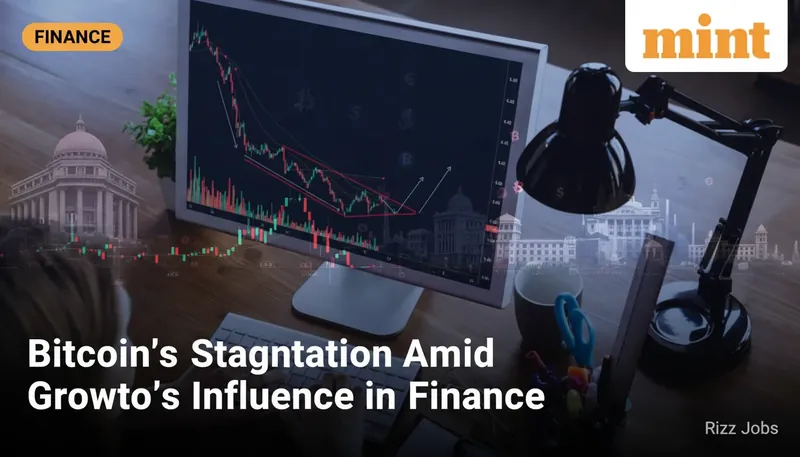
Bitcoin, the flagship cryptocurrency, remains stagnant around the $80,000 mark, even as digital assets continue to weave themselves into the fabric of mainstream finance. This plateau comes at a time when cryptocurrencies are gaining significant traction in both Washington and Wall Street, reflecting a broader acceptance and integration into traditional financial systems. The regulatory landscape in the United States is evolving, with policymakers increasingly acknowledging the importance of digital currencies. This shift is not just confined to regulatory discussions but is also evident in the strategic moves by major financial institutions. Wall Street giants are expanding their crypto offerings, indicating a growing confidence in the long-term viability of digital assets.
For Indian investors, this development could signal a pivotal moment. As global financial hubs embrace cryptocurrencies, the Indian market may soon follow suit, potentially leading to increased investment opportunities and diversification options. However, the stagnation of Bitcoin's price highlights the inherent volatility and unpredictability of the crypto market. Investors must remain cautious and informed, balancing the potential for high returns with the risks involved.
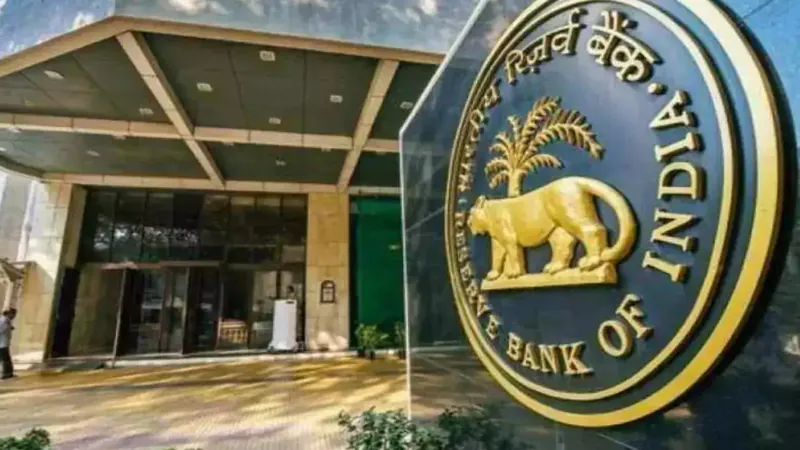
The integration of cryptocurrencies into mainstream finance could also influence India's regulatory approach. As the Reserve Bank of India and other financial bodies observe these international trends, there may be a push towards clearer regulatory frameworks, which could foster innovation while ensuring market stability. For businesses, this could mean a new era of financial products and services that leverage blockchain technology, offering enhanced transparency and efficiency.
In conclusion, while Bitcoin's current price stagnation may cause concern for some, the broader acceptance of cryptocurrencies in major financial centers suggests a promising future for digital assets. Indian investors and businesses should stay informed and prepared to adapt to these global shifts, which could reshape the financial landscape in the years to come.