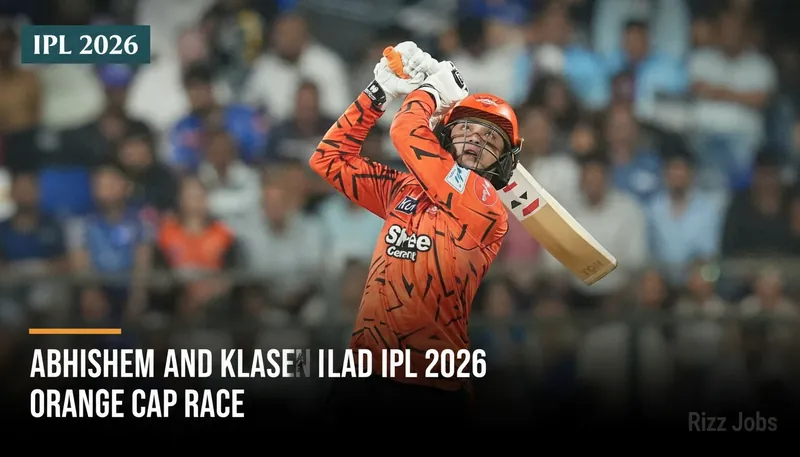
In the exhilarating world of the Indian Premier League (IPL), the race for the prestigious Orange Cap is heating up, with Abhishek Sharma and Heinrich Klaasen emerging as the frontrunners in the 2026 season. The Orange Cap, awarded to the highest run-scorer in the tournament, is a coveted accolade that reflects consistency and excellence in batting. Abhishek Sharma, known for his aggressive stroke play and ability to anchor innings, has been a revelation this season. His performances have not only propelled his team to crucial victories but have also caught the eye of selectors and cricket pundits alike. On the other hand, Heinrich Klaasen, with his explosive batting style, has been instrumental in chasing down daunting targets, showcasing his prowess in the shortest format of the game.
While the Orange Cap race garners much attention, the Purple Cap competition is equally intense, with Eshan Malinga currently leading the pack. The Purple Cap is awarded to the highest wicket-taker in the IPL, and Malinga's lethal bowling spells have been a key factor in his team's success. His ability to deliver under pressure and pick up crucial wickets at crucial moments has made him a standout performer this season.
For investors and business stakeholders, the IPL is not just a cricketing spectacle but a significant economic engine. The performances of players like Abhishek and Klaasen can influence team valuations, sponsorship deals, and merchandise sales. The IPL's impact on the broader economy, including tourism, hospitality, and advertising, underscores its importance beyond the cricket field. As the tournament progresses, the performances of these players will be closely monitored, not just by cricket enthusiasts but also by market analysts and investors looking to capitalize on the commercial opportunities presented by the IPL.


