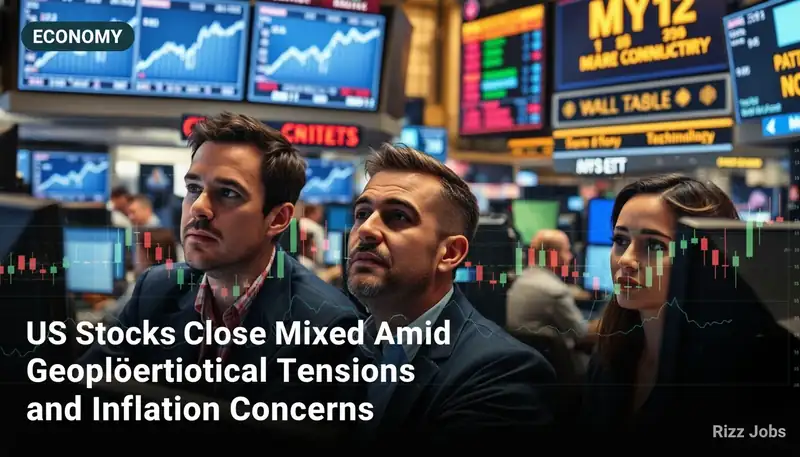
In a day marked by geopolitical uncertainties and economic caution, U.S. stocks ended the trading session with mixed results. As the deadline set by former President Donald Trump for Iran to reopen the Strait of Hormuz looms, investors are closely monitoring the diplomatic efforts aimed at averting a potential crisis in the Middle East. The Strait of Hormuz is a critical chokepoint for global oil supply, and any disruption could have significant repercussions on global markets, particularly in the energy sector.
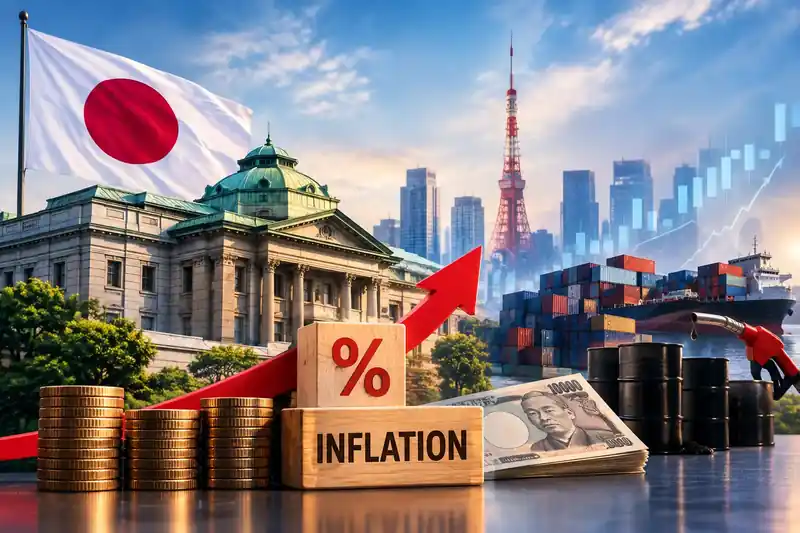
Rising oil prices have been a double-edged sword for the markets. While they bolster energy stocks, they also stoke inflation fears, which have been a persistent concern for investors. Inflationary pressures could prompt central banks, including the U.S. Federal Reserve, to tighten monetary policy, potentially impacting global liquidity and investment flows.
Healthcare stocks, however, provided a bright spot in the market, buoyed by supportive policy measures that promise to enhance sector growth. The sector's resilience is a testament to its defensive nature, often attracting investors during times of economic uncertainty.
For Indian investors, the developments in the U.S. markets serve as a critical barometer for global economic trends. The interplay between rising oil prices and inflation could influence the Reserve Bank of India's monetary policy decisions, impacting interest rates and, consequently, the broader Indian economy. Additionally, any escalation in geopolitical tensions could lead to increased volatility in global markets, affecting Indian equities and commodities.
Overall, the mixed closing of U.S. stocks reflects a market grappling with a complex set of variables, from geopolitical risks to economic data. Investors are advised to remain vigilant and consider diversifying their portfolios to mitigate potential risks.