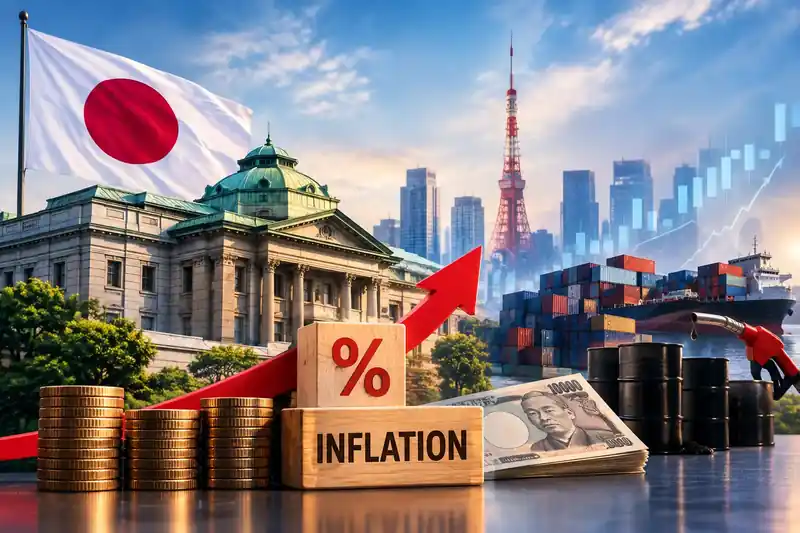
The United States is witnessing a significant uptick in consumer inflation, with the rate climbing to 3.3% year-on-year in March, according to the latest government data. This surge is primarily attributed to escalating energy prices, a direct consequence of the ongoing conflict in the Middle East. The Consumer Price Index (CPI) had previously recorded a 2.4% increase in February, highlighting the rapid acceleration in inflationary pressures.
The geopolitical tensions in the Middle East, particularly the war involving Iran, have disrupted global oil supplies, leading to a spike in energy costs. This has had a cascading effect on the US economy, as higher energy prices translate into increased costs for transportation and manufacturing, ultimately burdening consumers with higher prices across various goods and services.
For Indian investors and businesses, the implications of rising US inflation are manifold. The US Federal Reserve may be prompted to adjust its monetary policy, potentially leading to interest rate hikes. Such moves could impact global financial markets, including India, as capital flows might shift in response to changing interest rate differentials. Additionally, the increased cost of imports from the US could affect Indian companies relying on American goods, further influencing domestic pricing strategies.
As the situation in the Middle East remains volatile, the uncertainty surrounding energy prices is expected to persist. Indian businesses with exposure to US markets or those involved in energy-intensive industries should brace for potential cost fluctuations. Moreover, investors should keep a close eye on the Federal Reserve's policy decisions, as any changes could have ripple effects across global markets.