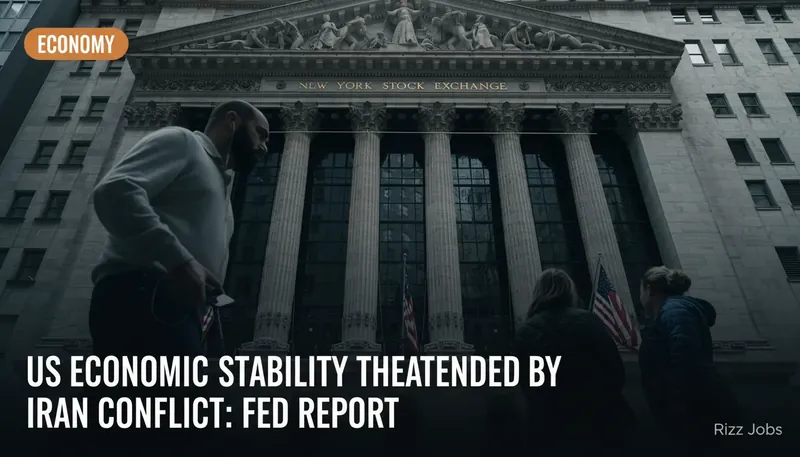
The latest Federal Reserve Beige Book reveals a steady yet cautious economic landscape in the United States, as the ongoing conflict involving Iran casts a shadow over business sentiments. While economic activity and employment have maintained a stable course, the ripple effects of rising energy prices are palpable. This surge in energy costs, attributed to the geopolitical tensions in the Middle East, is instilling a sense of uncertainty among US businesses. As a result, many companies are adopting a 'wait-and-see' approach, delaying crucial investment and hiring decisions.
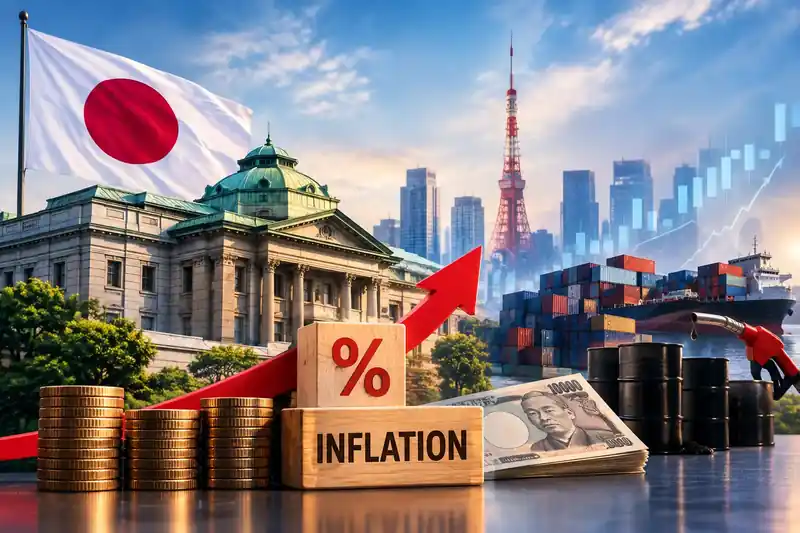
The Beige Book, a critical tool for gauging economic conditions across the Federal Reserve's districts, highlights that while inflationary pressures persist due to elevated fuel and input costs, wage growth remains largely subdued. This scenario presents a complex challenge for policymakers who are striving to balance economic growth with inflation control. For Indian investors and business stakeholders, this development is significant. The US economy, being a major global player, influences worldwide markets, including India. Rising energy prices could lead to increased costs for Indian companies reliant on US imports, while the delay in investment decisions by US firms may affect global supply chains, including those involving Indian partners.
Moreover, the muted wage growth in the US could impact consumer spending, potentially affecting export-driven sectors in India. Indian businesses and investors should closely monitor these developments, as any shifts in US economic policy or market conditions could have cascading effects on India's economic landscape. As the situation unfolds, it is crucial for stakeholders to remain vigilant and adaptable to navigate the uncertainties posed by the geopolitical tensions and their economic ramifications.