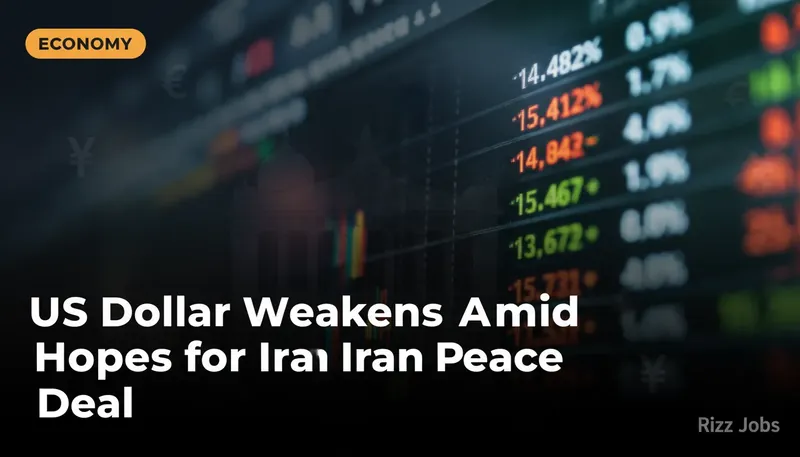
In a significant development for global currency markets, the US dollar has experienced a notable decline as traders express optimism over a potential peace breakthrough with Iran. This sentiment has led to a shift in forex trading dynamics, with investors recalibrating their positions in anticipation of reduced geopolitical tensions. The prospect of a diplomatic resolution to the longstanding conflict with Iran has injected a sense of optimism into the markets, prompting a reassessment of risk and currency valuations.
For Indian investors, this development could have multifaceted implications. A weaker US dollar may lead to a stronger rupee, affecting both import and export dynamics. Companies heavily reliant on imports, such as those in the technology and manufacturing sectors, might benefit from reduced costs. Conversely, exporters could face challenges as their products become relatively more expensive in the global market.
Moreover, the potential easing of tensions in the Middle East could impact global oil prices, a critical factor for India, which is heavily dependent on oil imports. A stable geopolitical environment might lead to more predictable oil prices, thereby aiding in the management of inflation and fiscal deficits.
However, it is essential for investors to remain cautious. While the current optimism is driving market movements, the geopolitical landscape is inherently volatile, and any setback in negotiations could quickly reverse the current trends. Indian investors should closely monitor developments and consider the broader implications on currency and commodity markets.