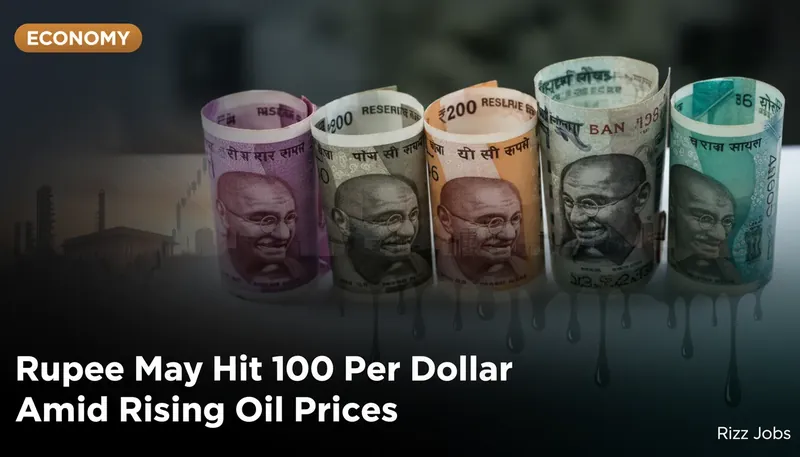
As geopolitical tensions escalate in the Middle East, particularly with the ongoing conflict involving Iran, India's currency, the rupee, is under severe pressure. Analysts are projecting that the rupee could breach the psychological barrier of 100 per US dollar if the situation worsens. This potential depreciation is largely driven by surging oil prices, which are a direct consequence of the geopolitical instability.
India, being one of the largest importers of crude oil, finds itself in a precarious position as rising oil prices could significantly widen the current-account deficit. This scenario poses a dual threat: exacerbating inflationary pressures and straining the nation's foreign exchange reserves. The Reserve Bank of India (RBI) may be forced to intervene, but such measures might only provide short-term relief.
The potential slide of the rupee is not just a currency issue but a broader economic challenge. A weaker rupee could lead to higher import costs, affecting everything from fuel prices to consumer goods, thereby impacting the average Indian household and business operations. Furthermore, the market is already pricing in these anticipated losses, indicating a lack of confidence in the rupee's short-term stability.
For investors and businesses, this situation necessitates a strategic reassessment. Companies with heavy import dependencies may need to hedge their currency exposure more aggressively. Meanwhile, investors might look towards sectors that benefit from a weaker rupee, such as IT and pharmaceuticals, which earn significant revenue in foreign currencies.
In conclusion, while the rupee's potential slide to 100 per dollar is not a certainty, the current economic indicators and geopolitical tensions suggest that Indian stakeholders should brace for a challenging period ahead. Proactive measures and strategic planning will be crucial in navigating these turbulent financial waters.