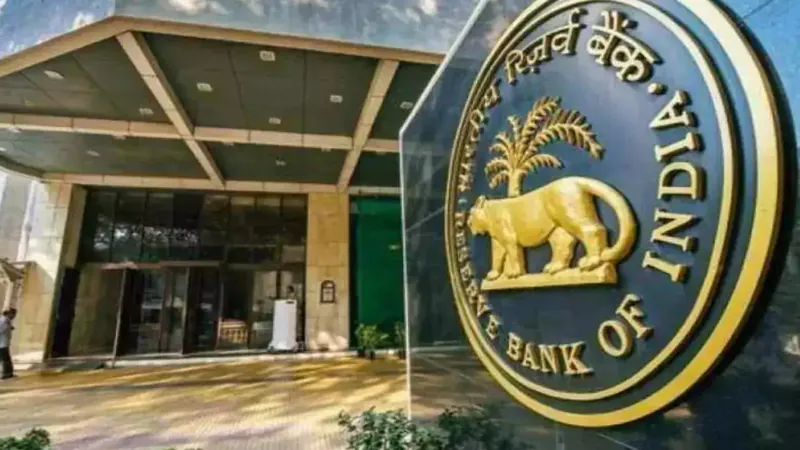
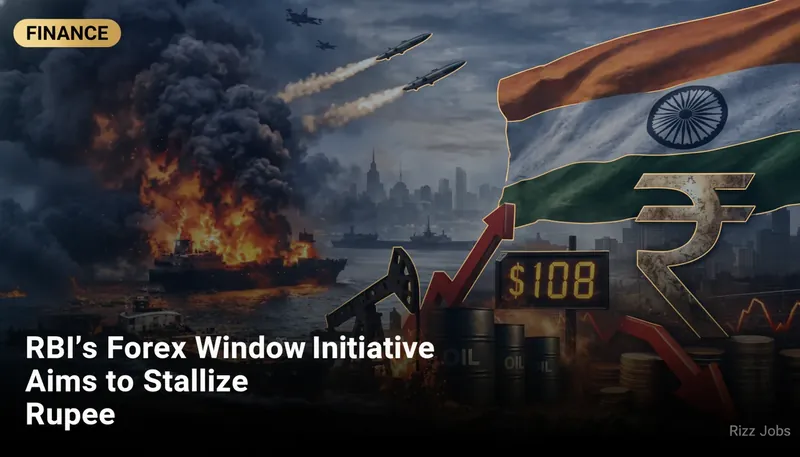
In a strategic move to stabilize the Indian rupee, the Reserve Bank of India (RBI) has introduced a special foreign exchange window designed to provide US dollars to state-run oil refiners. This initiative, facilitated through state-owned banks, is expected to alleviate the persistent demand for dollars from oil companies, which has been a significant factor in the rupee's recent depreciation. The RBI's intervention comes at a crucial time when global oil prices are volatile, exerting pressure on India’s import bill and, consequently, the currency. By supplying dollars directly to refiners, the RBI aims to curb the daily dollar demand in the open market, thereby offering some respite to the rupee, which has been under strain due to a widening trade deficit and capital outflows. Analysts view this move as a proactive measure to support the rupee, predicting a potential appreciation as the immediate dollar demand from oil companies is met outside the market. This could also have a stabilizing effect on inflation, as a stronger rupee would lower the cost of imports, particularly crude oil, which constitutes a significant portion of India's import basket. For Indian investors and businesses, this development signals a more stable currency environment, potentially leading to improved investor confidence and a more predictable economic landscape. However, the effectiveness of this measure will depend on the global oil price trends and the overall economic policies adopted by the government to address the trade deficit.
finance
RBI's Forex Window Initiative Aims to Stabilize Rupee
Rizz Jobs News Desk··2 min read
Market Briefing
- The RBI has opened a special forex window to supply dollars to state-run refiners, aiming to ease the rupee's pressure.
- This move could lead to rupee appreciation.
Share this story
Topics
RBI forex windowrupee recoveryoil refinerscurrency stabilizationIndian economy
Stay Informed
India's financial news, delivered daily.
Finance, markets, economy and startup updates — straight to your inbox.
Subscribe Free →