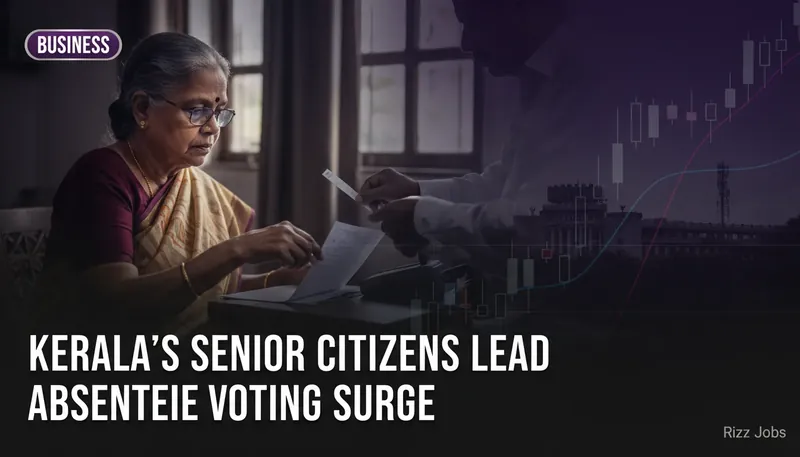
In a significant move towards inclusive electoral participation, nearly 2 lakh voters in Kerala have opted to cast their votes from the comfort of their homes in the recent April 9 polls. According to data released by the Election Commission, a substantial portion of these voters, precisely 1,28,381, are senior citizens aged 85 and above. This initiative, which commenced on Monday, underscores a growing trend towards accommodating the elderly and differently-abled in the democratic process.
The absentee voting system, particularly for senior citizens, is a progressive step in ensuring that age or physical limitations do not hinder one's right to vote. This move is expected to have broader implications for the electoral process across India, potentially setting a precedent for other states to follow. The initiative aligns with the global trend of increasing accessibility and convenience in voting, which could lead to higher voter turnout and more representative governance.
For businesses and investors, this development may signal a shift in policy focus towards more inclusive practices, which could extend beyond electoral processes to other sectors such as banking, healthcare, and public services. Companies focusing on eldercare products and services might find new opportunities as the government continues to prioritize the needs of this demographic.
Moreover, the success of this absentee voting initiative could encourage further technological integration in the voting process, possibly paving the way for digital voting solutions in the future. This could open up new avenues for tech companies specializing in secure digital platforms. As India continues to modernize its electoral system, stakeholders across various sectors should be prepared to adapt to these changes, which could influence market dynamics and consumer behavior.


