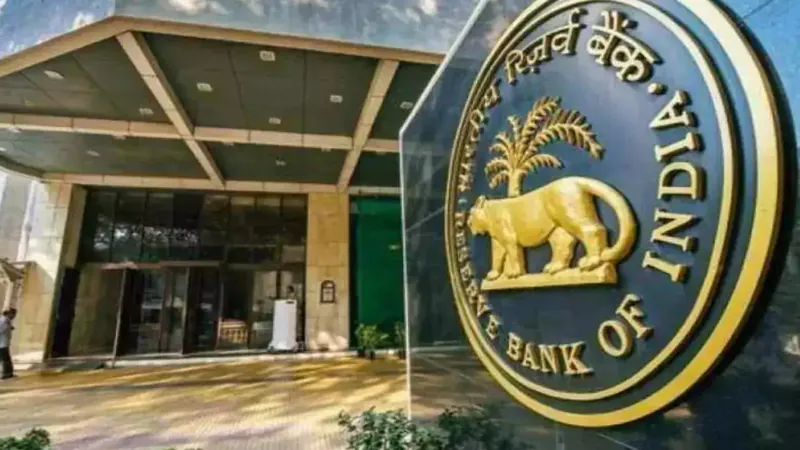
The Indian banking sector is grappling with significant challenges as macroeconomic pressures mount, leading to a potential deepening of the recent $95 billion rout in bank stocks. The Reserve Bank of India's (RBI) interventions in the currency market, coupled with surging energy prices, are casting a shadow over the profit outlook for banks. These factors are tightening financial conditions, which could derail the credit recovery that banks have been relying on for loan growth. As a result, investor confidence is waning, leading to substantial withdrawals and a decrease in market value for the Nifty Bank Index.
The central bank's actions, aimed at stabilizing the rupee, have inadvertently added pressure on banks by increasing the cost of funds. Rising energy prices further exacerbate the situation, as they contribute to inflationary pressures, potentially prompting the RBI to maintain a hawkish stance on interest rates. This environment poses a dual challenge for banks: managing higher funding costs while navigating a potential slowdown in credit demand.
The implications for the banking sector are significant. A slowdown in loan growth could impact profitability, particularly for banks heavily reliant on interest income. Moreover, any potential tightening of monetary policy by the RBI to combat inflation could further strain banks' margins. Investors are increasingly cautious, as reflected in the substantial market value losses for the Nifty Bank Index. This caution is likely to persist until there is greater clarity on the trajectory of inflation and interest rates.
For Indian investors and business leaders, the current scenario underscores the importance of closely monitoring macroeconomic indicators and central bank policies. As the banking sector navigates these turbulent waters, strategic adjustments and prudent risk management will be crucial to weathering the storm.