In the face of a significant 15% decline in gold prices, India's non-banking financial companies (NBFCs) specializing in gold loans have shown resilience, according to a recent analysis by Fitch Ratings. These institutions, which rely heavily on gold as collateral, have maintained stability due to their robust collateral buffers. However, Fitch cautions that an additional 15-20% drop in gold prices could severely test these NBFCs' risk management frameworks, particularly if borrowers face cash flow challenges.
The gold loan sector in India has been a crucial financial lifeline for many, providing quick liquidity against gold assets. With gold prices under pressure, the collateral value underpinning these loans has diminished, raising concerns about the potential impact on the financial health of NBFCs. Fitch's analysis suggests that while current buffers are adequate, a further downturn could expose vulnerabilities in risk controls and asset quality.
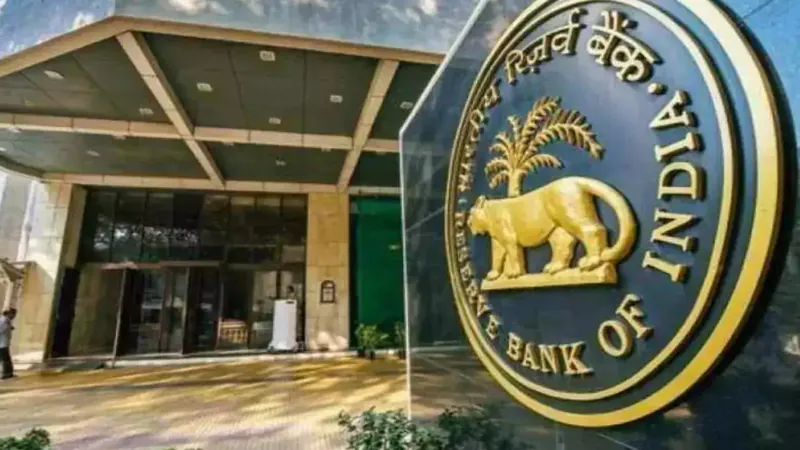
The Reserve Bank of India (RBI) has introduced new regulations aimed at bolstering the sector's stability. These include standardized calculations for loan-to-value (LTV) ratios and loan tenors, which are expected to bring more uniformity and reduce risks associated with fluctuating gold prices. The RBI's proactive measures are designed to ensure that NBFCs remain resilient in the face of market volatility, thereby safeguarding the interests of both lenders and borrowers.
For investors and stakeholders in the Indian financial market, the situation underscores the importance of monitoring gold price trends and regulatory developments. As gold prices continue to fluctuate, the ability of NBFCs to adapt to changing market conditions will be crucial in maintaining sector stability. The RBI's regulatory framework will play a pivotal role in mitigating risks and ensuring that NBFCs can weather potential future price shocks.