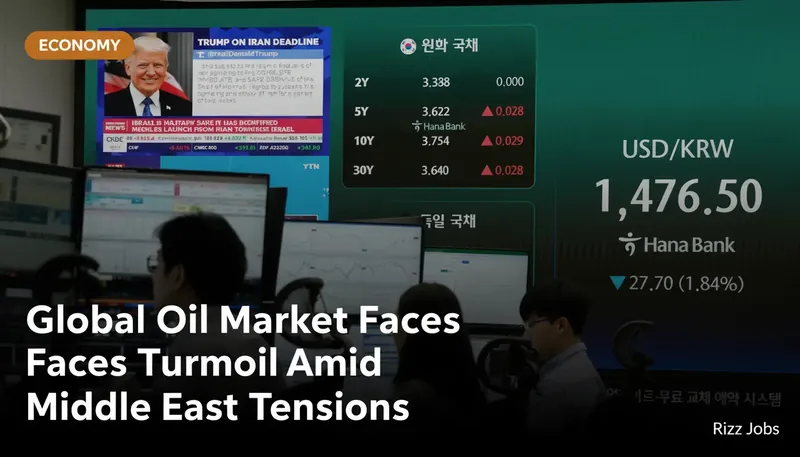
The global oil market is currently in the throes of a significant upheaval as geopolitical tensions in the Middle East have led to a dramatic shortage of physical crude. This disruption has ignited a frantic scramble among refiners worldwide to secure immediate oil supplies, driving up prices to as high as $140 per barrel. While futures markets have shown some signs of easing due to tentative hopes of a ceasefire, the physical market tells a different story, with premiums for prompt delivery reaching record highs.
The current scenario highlights the vulnerability of global oil supply chains to geopolitical disruptions, particularly those emanating from the Middle East, a region that remains a critical hub for oil production. Indian refiners, who rely heavily on Middle Eastern crude, are now facing the challenge of securing supplies at significantly higher costs, which could potentially lead to increased domestic fuel prices.
For Indian investors and businesses, this development underscores the importance of diversifying energy sources and investing in alternative energy solutions to mitigate the risks associated with such supply shocks. The Indian government may also need to reassess its strategic petroleum reserves to cushion against future disruptions.
In the broader context, the current oil market volatility serves as a reminder of the intricate linkages between geopolitical events and global commodity markets. As the situation unfolds, stakeholders will need to closely monitor developments and adjust their strategies accordingly to navigate the uncertain waters of the global energy landscape.