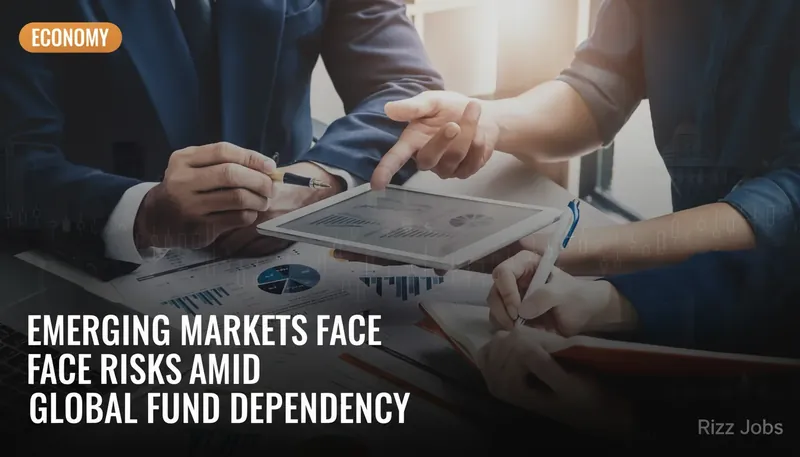
In recent years, emerging economies have increasingly turned to global investors, particularly hedge funds, as a primary source of funding. This shift comes as traditional banks have retreated from these markets, leading to a significant rise in the share of portfolio investments, which now constitute 80% of the funding landscape for these economies. While this influx of capital has provided cheaper and longer-term financial resources, it has also introduced a new set of vulnerabilities. The reliance on global funds makes these economies susceptible to sudden capital outflows, which can be triggered by global economic shifts or investor sentiment changes.
For Indian investors, this trend presents both opportunities and challenges. On one hand, the increased flow of foreign capital can drive growth and development in emerging markets, potentially offering lucrative returns. On the other hand, the volatility associated with such investments means that Indian investors must be vigilant, keeping an eye on global market trends and geopolitical developments that could impact capital flows.
Economies with less developed financial markets are particularly at risk, as they may not have the depth or resilience to withstand rapid outflows. This scenario underscores the importance of developing robust financial infrastructure and policies that can mitigate the impact of such capital flight. Indian policymakers and financial institutions need to focus on strengthening market fundamentals to ensure stability and confidence among both domestic and international investors.
As the global financial landscape continues to evolve, emerging markets must navigate the delicate balance between attracting foreign investment and maintaining economic stability. For Indian businesses and investors, understanding these dynamics is crucial for making informed decisions in an increasingly interconnected world.